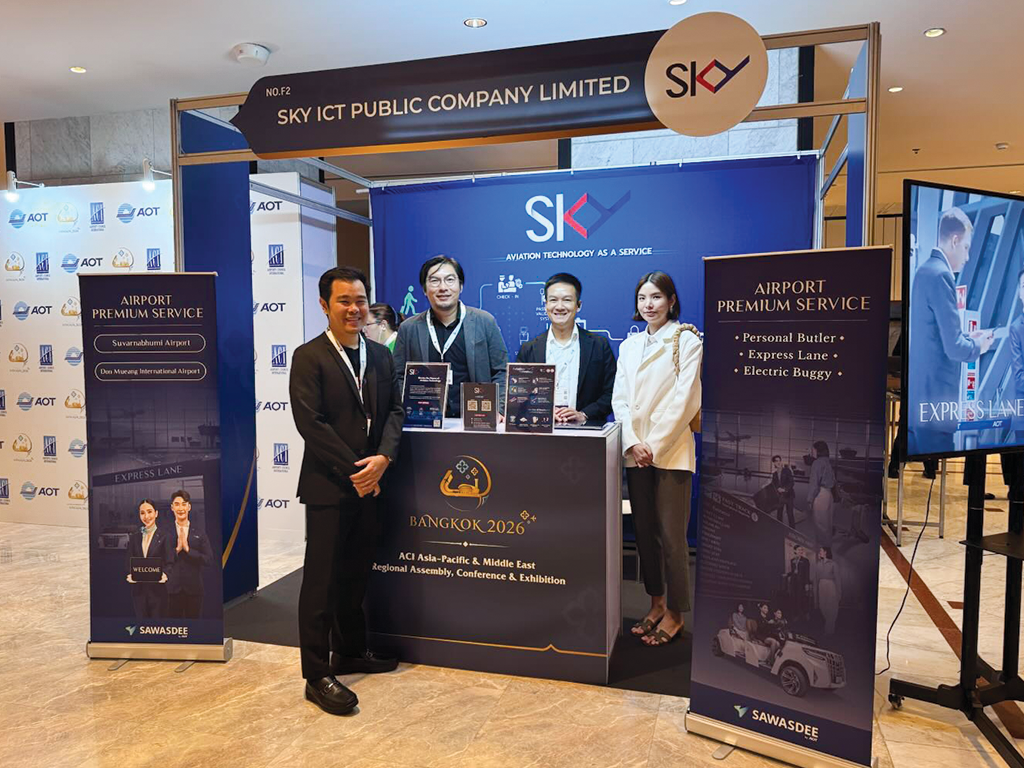
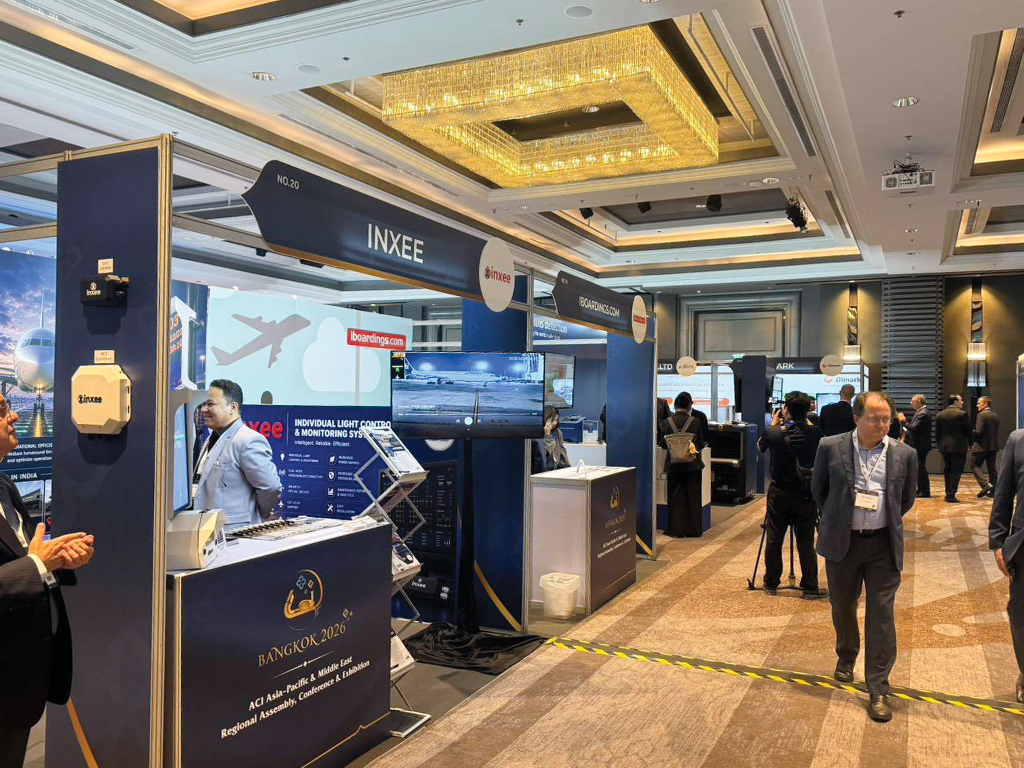
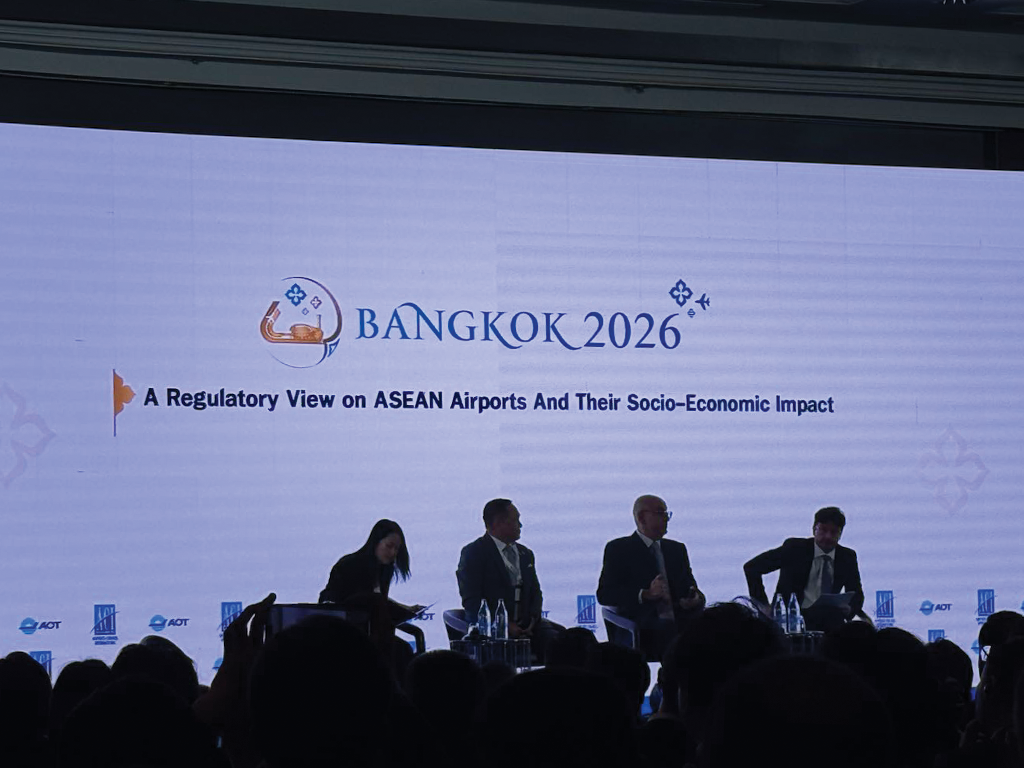
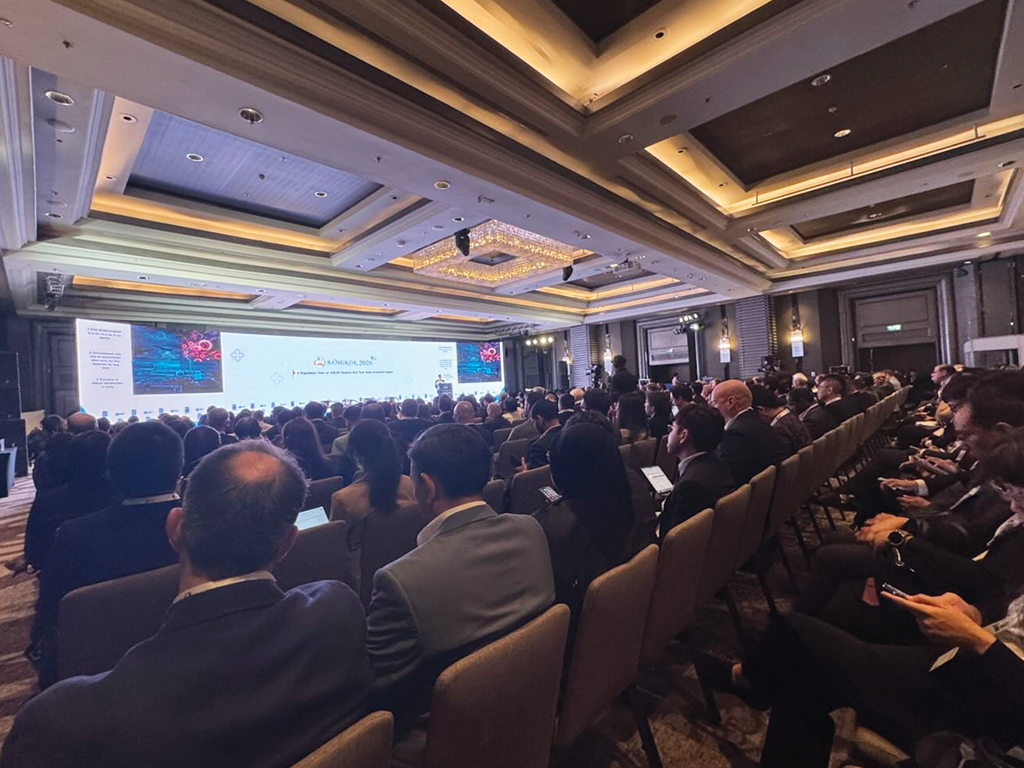
The Airports Council International Asia-Pacific & Middle East 2026 conference, held in Bangkok, highlighted a pivotal shift in the global aviation industry. One of the most striking projections revealed that by 2040, the Asia-Pacific region alone is expected to handle up to 10 billion passengers annually—a figure equivalent to the entire global passenger volume today.
This exponential growth is expected to drive global aviation infrastructure investment to as much as USD 240 billion over the next decade. However, in an era where physical expansion is increasingly constrained by space and complexity, simply building more runways or terminals is no longer a sustainable solution.
Instead, the industry must turn to digital innovation to unlock airport capacity and efficiency. The future of aviation is being shaped by three key transformation pillars:
1. Total Airport Management (TAM)
At the core of future airport efficiency lies Total Airport Management (TAM)—an evolution beyond traditional Airport Collaborative Decision Making (A-CDM). TAM transforms fragmented operations into a centralized, intelligent data ecosystem.
Under the concept of the “Triad of Efficiency,” TAM seamlessly integrates three critical domains:
- Airport Terminal: Managing passenger flow within terminals
- Airspace: Coordinating flight sequencing through Air Traffic Control (ATC)
- Airfield: Optimizing runway and taxiway utilization
By enabling all stakeholders—airports, ground handlers, and air traffic controllers—to operate on a shared, real-time data platform, TAM significantly reduces aircraft ground time, enhances resource allocation, and increases overall airport capacity without requiring physical expansion.
2. Agentic AI & Advanced Crisis Management
In times of disruption, what frustrates passengers most is not delays—but the absence of reliable information, often referred to as the “Information Void.”
At ACI 2026, a new model powered by Agentic AI was introduced to address this challenge. Acting as a centralized digital command center, the system deploys specialized AI agents with defined roles:
- Intake Agent: Captures real-time passenger needs and inputs
- Analyst Agent: Predicts demand and triggers operational adjustments
- Logistics & Supply Agent: Coordinates solutions with external partners (hotels, transport, supplies)
- Dispatch Agent: Delivers synchronized, real-time updates to all frontline staff
This approach shifts airport operations from reactive problem-solving to predictive and proactive crisis management, ensuring consistent communication and minimizing passenger uncertainty.
3. Greenfield Vision & Net Zero
New-generation Greenfield airports—such as Long Thanh (Vietnam) and King Salman (Saudi Arabia)—demonstrate the advantages of designing infrastructure from the ground up with advanced technology embedded from day one.
Key innovations include:
- Touchless & Biometric Journey: Seamless passenger processing through decentralized digital identity systems
- Sustainability by Design: AI-driven energy optimization based on real-time passenger density
These innovations are critical in enabling airports to achieve Net Zero targets by 2050, while simultaneously improving operational efficiency and passenger experience.
Conclusion
ACI 2026 clearly reinforces that the airport of the future is no longer just a transportation hub, but a strategic economic engine—a central node driving shared prosperity across economies, societies, and ecosystems.
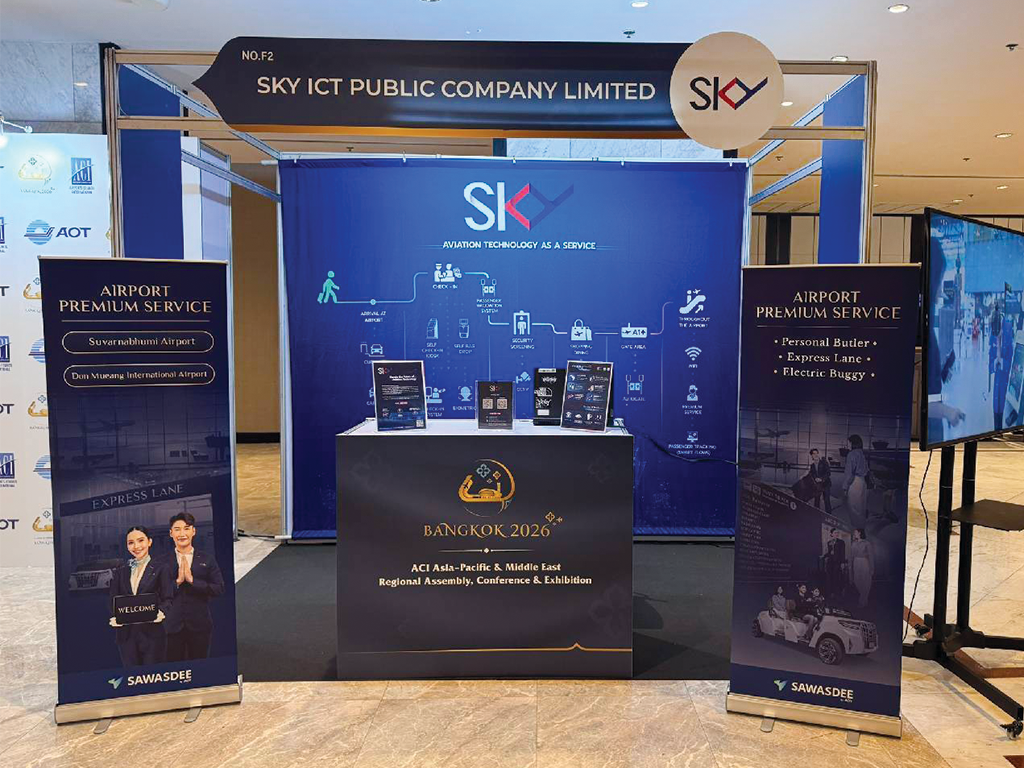
As a leader in Aviation Technology, SKY ICT is committed to advancing the aviation ecosystem through integrated solutions—including TAM, AI, Biometrics, and sustainability innovations—to elevate Thailand’s aviation industry toward becoming a global aviation hub.
In the next era, success will not belong to the largest airports—but to the smartest ones.